
01 Apr 2026
In Dire Straits: Discipline in Volatile Markets
Markets in March were dominated by one key issue, the current conflict involving the US, Israel and Iran.
Monthly Market Outlook
01 Apr 2026
Markets in March were dominated by one key issue, the current conflict involving the US, Israel and Iran.
Monthly Market Outlook
Monthly Market Outlook
Summary:
Markets in March were dominated by one key issue, the current conflict involving the US, Israel and Iran.
With headlines and expectations changing daily, it’s easy for investors to become disoriented and lose their way. At the time of writing, global stock markets are now rallying on hopes that the conflict will come to an end sooner rather than later. However, near term risks remain high with events continuing to unfold at a rapid pace, and announcements and news from the US and Iran developing by the hour.
While headlines and news flow can be alarming, the important thing for investors is to understand how the conflict ultimately will affect the “real economy”. The key question then comes down to whether the situation does indeed resolve in the near future or evolves into a more prolonged disruption, with lasting economic consequences for the global economy.
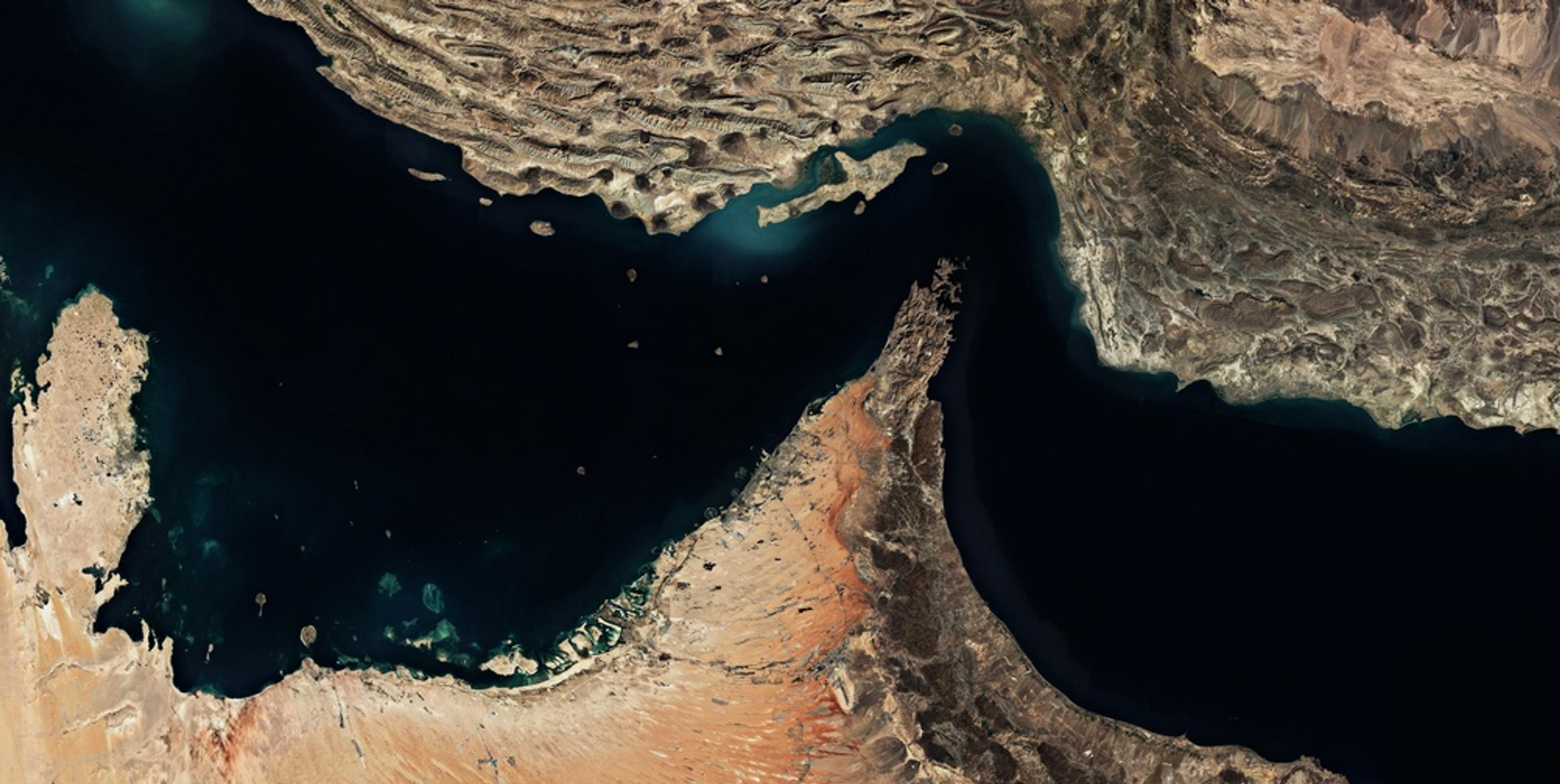
As we’ve noted in our prior updates this month, markets have been particularly sensitive to developments affecting global energy supply, given the importance of the Strait of Hormuz – a vital shipping route through which around 20% of the world’s oil and liquefied natural gas flows. This sensitivity has driven sharp movements across global stock and bond markets over the month.
In this month’s piece, we discuss how markets have reacted to this geopolitical shock, how we think about events that might unfold, what we consider important amidst the daily noise, and how this all impacts our portfolios and approach to investment.
How markets have responded
Market reactions have been most pronounced following headlines that change perceptions around how long energy supplies might be disrupted, and whether regional infrastructure could be damaged in ways that slow the recovery of global energy supply.
Overall, oil prices have risen sharply over March, alongside increases in natural gas and related petrochemical products. While energy prices have jumped most significantly for buyers seeking to secure supply over the next few months, prices for purchases 1-2 years into the future have risen by much less, suggesting markets continue to expect eventual normalisation rather than lasting scarcity.
Consequently, stock markets have fallen over the month, though declines have so far been relatively orderly, in our view. European and Asian markets, which are more dependent on Middle Eastern energy imports, have underperformed the US in March, although these markets had also seen much stronger gains earlier in the year. Global stock markets fell about 5% in pound sterling over the month. On the back of a very strong start to the year, this leaves global stock market investors with relatively modest losses year-to-date.
Interest rates and inflation expectations
Government bond markets have been particularly volatile, as investors reassess the outlook for inflation and interest rates.
Rising energy prices have led markets to quickly change their outlook on what they expect central banks like the US Federal Reserve and the Bank of England to do this year. Markets had expected a series of short-term interest rate cuts back in February, but quickly reversed course as the war kicked off, removing these expectations, or even reversing them.
These shifts reflect concerns that a prolonged energy shock could push inflation higher and force central banks to respond more aggressively, particularly in regions that are more energy‑dependent.
The results of this change in outlook on bond markets was swift. Government bond prices fell and bond yields (which move inversely to prices) across major developed markets rose sharply on expectations of higher central bank policy rates. In the UK, yields have risen more sharply, with market moves appearing especially pronounced, relative to underlying economic fundamentals, in our view.
Thinking in scenarios
In periods of high uncertainty, scenario analysis is a useful way to think about possible outcomes. For the current Middle East conflict, we consider three broad scenarios, ranging from a short‑lived disruption to a more severe escalation.
Our central expectation remains that disruption to energy supplies is relatively temporary, allowing markets and economies to stabilise later in the year and over 2027. Policymakers are actively working to limit the impact of the energy supply disruption by releasing strategic reserves, temporarily easing sanctions or embargoes, and encouraging energy conservation. If the conflict does indeed come to an end in the weeks to come (as President Trump has recently indicated) and shipping in the Strait begins to normalise, this outcome would be likely.
A more adverse outcome would likely require a major escalation of the conflict, such as further direct attacks on regional energy infrastructure or the involvement of additional global powers, the economic impact of which would vary by region. We think this scenario is less likely that the one outlined above – but cannot be ruled out.
In that environment, the ultimate market outcomes would heavily depend on the countries’ starting economic positions, their ability to absorb shocks, and how exposed they are to Middle Eastern energy supply. For example, even in a more disruptive scenario, the US economy would likely remain relatively resilient, supported by strong underlying growth drivers such as investment in AI, fiscal support and healthy household and corporate balance sheets. Parts of Europe, Asia and select Emerging Market economies would all be more vulnerable to a prolonged energy shock, likely impacting stock and bond markets significantly.
What this means for long‑term investors
History suggests that geopolitical market shocks which remain geographically contained often lead to short‑term volatility but have limited lasting impact on long‑term investment returns. More persistent damage to investor portfolios has typically occurred only when conflicts result in prolonged energy supply shortages that materially weaken economic growth.
The 1973 Arab oil embargo is one such example, where oil prices quadrupled and sustained shortages fed into persistent inflation, slower growth and policy tightening across advanced economies, prompting a structural reassessment of energy security and dependence on Middle Eastern supply.
In contrast, short term oil prices rose roughly 50% to 60%* over the past month, but with future price expectations showing far more modest increase, around 15% to 20%.
While certainly material, these increases are coming from a low base, and the economy is now far less sensitive to fossil fuel prices than it was in the 1970s. At this stage, recent developments do not materially alter our medium‑term investment outlook into late 2026 and 2027.
*Oil and energy prices vary by location and time, with Brent and WTI being the most commonly used benchmarks. Here we reference changes to shortdated Brent pricing as well as Brent oil futures
Staying disciplined
Periods of heightened uncertainty can be unsettling, but they also reinforce the importance of sticking to well‑established investment principles.
Rather than reacting to the changing news flow and the challenge of short-term market timing, which risks crystalising unnecessary losses, we believe portfolio decisions should remain guided by long‑term objectives and a clear framework for assessing how events may, or may not, change the underlying economic and market outlook.
Although we can speculate, nobody can be certain about what the next headline will bring, what the US administration or the Iranian regime will do or say. And every crisis has its own dynamics and risks. Further challenges to the global economy resulting from higher energy prices for longer than expected cannot, of course, be ruled out.
However, we can take some comfort in history suggesting that most geopolitical crises have short-term negative impacts on markets and stock prices, which set the stage for more positive returns over the following six to twelve months.
Our investment philosophy emphasises portfolio diversification as the cornerstone of a disciplined approach and staying the course to build wealth through investment over the long term. We believe maintaining a diversified, long‑term approach to investing remains the most effective way to navigate periods of geopolitical uncertainty.
Disclaimer
Any views expressed are based on information received from a variety of sources which we believe to be reliable, but are not guaranteed as to accuracy or completeness by atomos. Any expressions of opinion are subject to change without notice.
All investment views are presented for information only and are not a personal recommendation to buy or sell. Past performance is not a reliable indicator of future returns, investing involves risk and the value of investments, and the income from them, may fall as well as rise and are not guaranteed. Investors may not get back the original amount invested.
If you have recently inherited a lump sum and are considering investing it, we can offer guidance.
The value of investments and any income from them can fall and you may get back less than you invested.

The value of investments and any income from them can fall and you may get back less than you invested.


